Writer: Farniza M. Marcaban
Photographer: John Carlo C. Caong and Farniza M. Marcaban
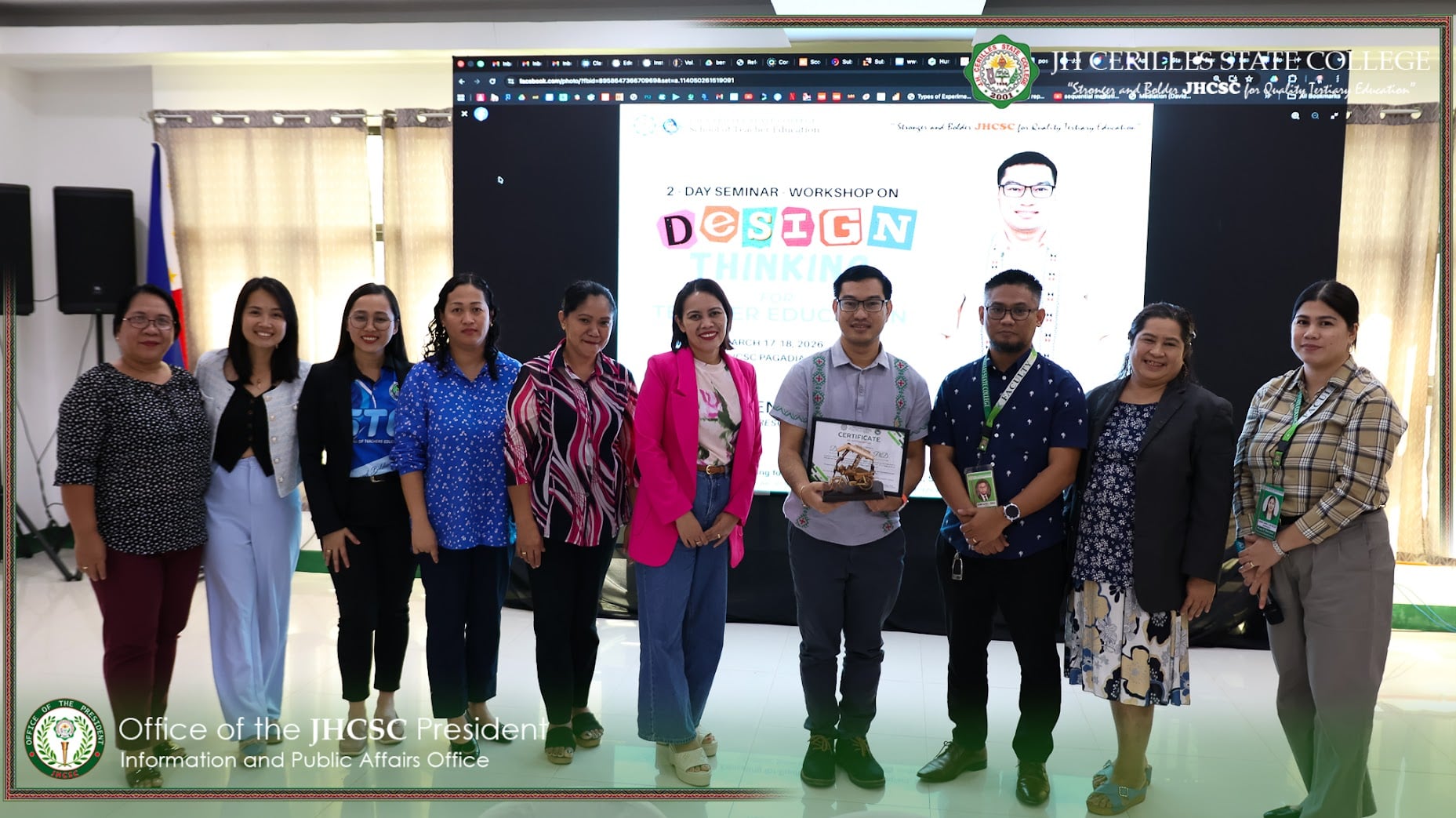
The School of Teacher Education (STE) of J.H. Cerilles State College (JHCSC) successfully conducted a two-day Design Thinking for Educators seminar-workshop on March 17–18, 2026, at the JHCSC Pagadian Campus Hostel. The activity, initiated by STE Dean Dr. Starr Clyde L. Sebial and supported by Vice President for Academic Affairs Dr. Vilma C. Grengia, aimed to equip faculty members with practical tools to address persistent classroom and institutional challenges. Anchored in the five-stage Design Thinking framework—Empathize, Define, Ideate, Prototype, and Test—the seminar emphasized innovative, human-centered approaches to teaching and learning.
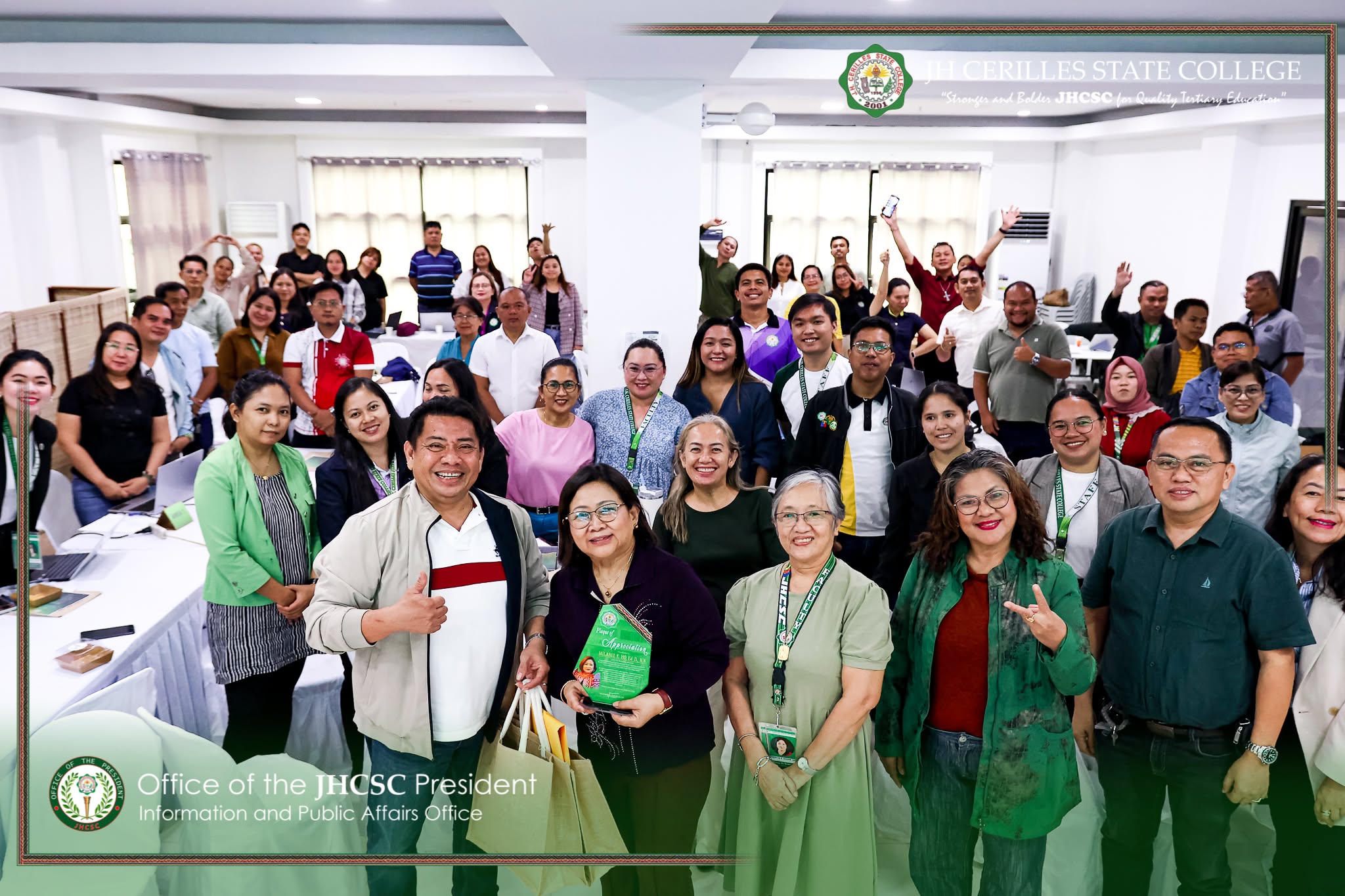
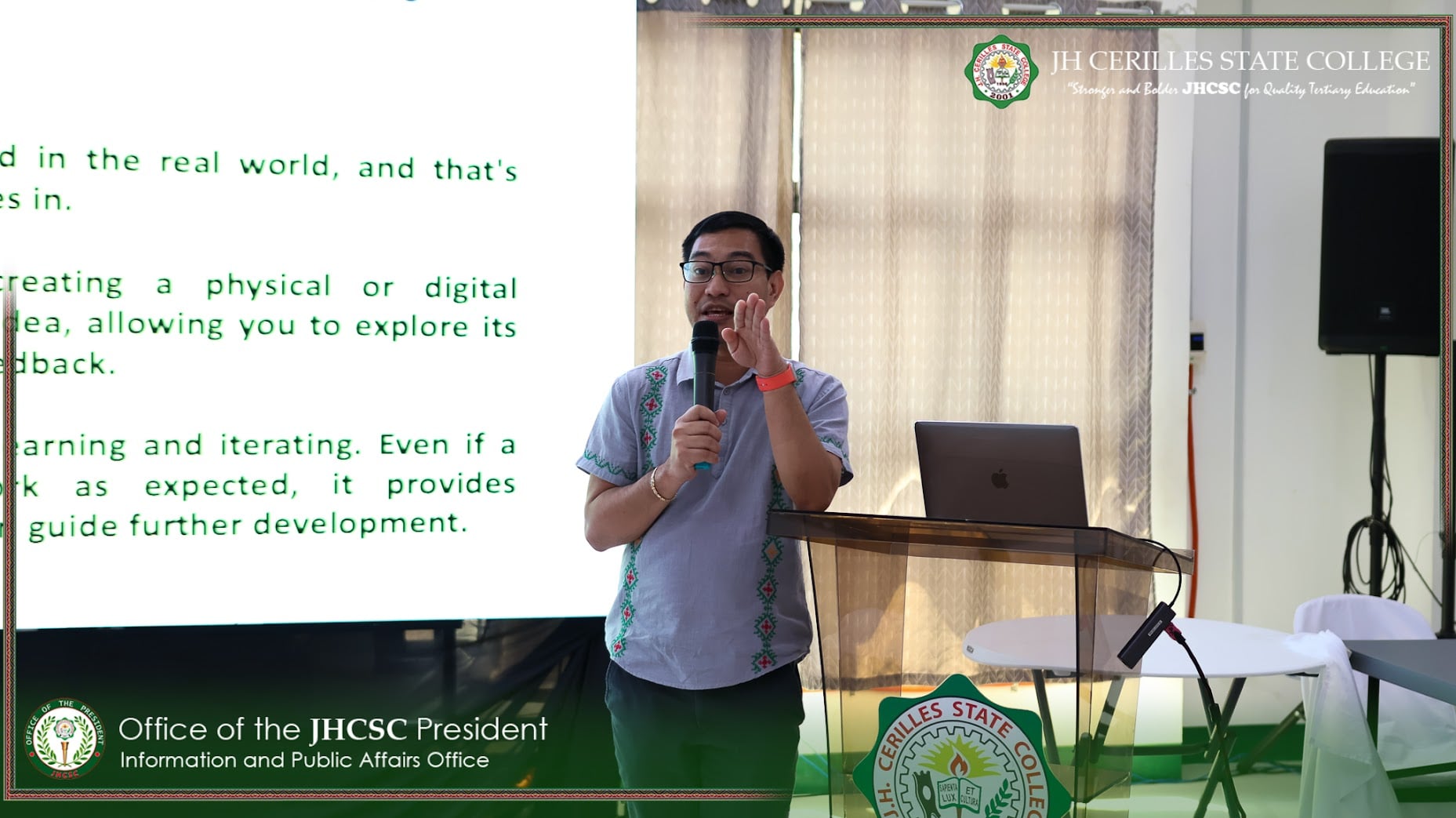
The seminar-workshop gathered more than 80 faculty members and academic personnel from the institution. Serving as the resource speaker was Dr. Derren N. Gaylo, Professor IV from Bukidnon State University, who is widely recognized for his expertise in education, mathematics education, and design-based innovation. His discussions focused on enhancing teacher education by applying design thinking principles, encouraging participants to adopt creative, systematic problem-solving strategies in their professional practice.
Throughout the sessions, participants engaged in in-depth discussions on curriculum improvement, focusing on redesigning courses and learning experiences through human-centered, evidence-based approaches. Emphasis was placed on aligning instructional goals with learners’ evolving needs, ensuring that teaching strategies remain relevant, responsive, and effective across diverse educational settings.
The workshop also highlighted instructional enhancement, research development, and innovation in instructional materials. Faculty members were introduced to innovative teaching strategies to address classroom challenges and learner diversity, while also strengthening their competencies in action research and design-based research. Participants were guided in developing practical prototypes of instructional materials, reinforcing the importance of creativity and adaptability in modern education.
These initiatives were strategically aligned with the School of Teacher Education’s goal of achieving Center of Excellence status. The seminar directly supported key performance areas identified in national evaluation frameworks, particularly in curriculum relevance, innovative instruction, research integration, and instructional materials development. Moreover, the activity reinforced the institution’s commitment to Continuous Quality Improvement, accreditation requirements, and compliance with national regulatory standards.
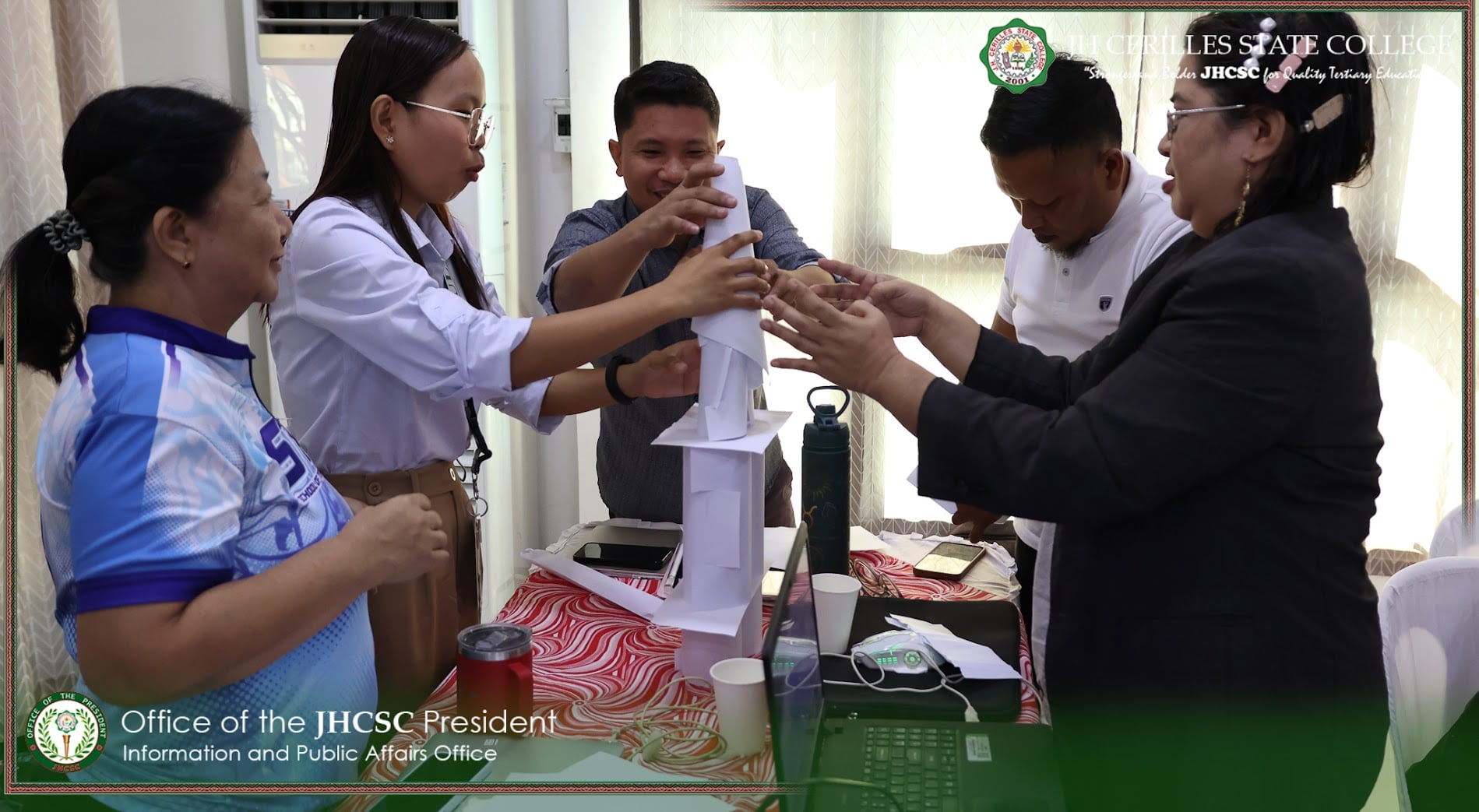
As part of the hands-on activities, participants identified common challenges and “pain points” within their respective departments, including concerns related to materials, facilities, and instructional processes. Through collaborative exercises such as pitching innovative ideas and building conceptual models, participants explored creative solutions to these issues. Activities also encouraged teamwork, critical Thinking, and the generation of new ideas, demonstrating that challenges can serve as opportunities for innovation.
In his message, Dr. Gaylo emphasized that teachers are inherently creative and capable of developing meaningful innovations in education. He encouraged participants to translate their design thinking outputs into research initiatives, highlighting the importance of documenting and sharing best practices. He also underscored that creativity in teaching involves thinking differently and being open to new perspectives, while providing participants with time for reflection and refinement of their ideas.
Dr. Sebial expressed his pride in the participants’ outputs, particularly the innovative pitches developed during the workshop. He conveyed optimism about the future progress of these initiatives as the institution continues its pursuit of universityhood. He also proposed conducting additional training programs to sustain the momentum, a suggestion that the participants received well.
The seminar-workshop concluded with a strong sense of accomplishment and a renewed commitment to advancing instructional excellence, innovation, and institutional growth.
Soar high, J.H. Cerilles State College!
“Stronger and Bolder JHCSC for Quality Tertiary Education”